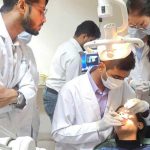
BDS is a significant milestone. But let’s be honest. Most BDS graduates are not even prepared for actual practice with just a degree. General dentistry training for BDS graduates therefore takes the center stage at this point of time. It connects the dots between theory and chairside mastery.
BDS: The Ground Reality in India
This is a challenge that most BDS graduates have to deal with. They understand the concepts, but when it comes to treating patients, there is hesitation. Colleges focus heavily on exams. Limited clinical exposure, or clinical exposure with a short time-frame. Once they start to practice, expectations shift almost immediately.
On the other hand, patients expect diagnosis, treatment, and communication with certainty. Many young dentists feel lost or stuck without any guidance or training.
Why General Dentistry Training Matters
General dentistry represents the backbone of day-to-day practice. It addresses the bulk of what you will do as a clinician. When you are treated properly, to treat patients independently and safely.
Key benefits include:
- Improved clinical confidence
- Strong diagnostic skills
- Better treatment planning
- Hands-on exposure to real cases
Such training allows knowledge to become an employed skill.
From Theory to Chairside Skills
Hand pressure, driving the patient, decision making under pressure are not taught in textbooks. Only practice does. The programs are repetitive and supervised.
You are taught how to handle common cases such as caries, pain, and infections. You will also learn how to avoid the pitfalls of common mistakes that new dentists make.
This pragmatic component is what most BDS programs lack.
Significance of Endodontics and Pivotal Procedures
One of the most in-demand procedures in clinics is root canal treatment. But confidence in it has been low for many graduates. The best structured clinical endodontics courses in India will prepare dentists for the royal treatment of access opening, working length, and obturation.
General dentistry training, like endodontics, reinforces abilities in:
- Restorations
- Local anesthesia
- Diagnosis and radiology
- Case documentation
These are necessities, not luxuries.
Learn by Doing: The Effects of Practical Training
Watching is not learning. Doing is. Carefully structured programs highlight hands-on dental courses for BDS graduates in which participants will work on live patients under the guidance of an expert.
Hands-on exposure helps dentists:
- Reduce fear during procedures
- Handle complications calmly
- Improve speed and accuracy
That learning is permanent and will stay with you for a lifetime.
Career Confidence and Better Opportunities
General practice dentists are more effective in clinics and hospitals. They also have quicker patient trust. Your posture, your communication, and your results speak confidence.
Most dentists who finish training start their own practices earlier. Some do even better as associate and make more income.
Getting Trained from the Right Institute
Quality is not a given in every training program. Search for institutes which deal with live patients, small batch size, and mentoring.
AADEIndia emphasizes on a structured clinical learning tailored for BDS graduates. The goal is simple. Develop competence, confidence, and clarity for daily practice.
Ready for The Next Step in Your Dental Career?
A BDS degree opens the door. Skill keeps it open. Structured training is now mandatory if you wish to be a confident dentist to practice dentistry.
Choose a reputable general dentistry program. Strengthen your basics. Treat patients without fear.
So, sharpen those abilities and cultivate the clinical confidence that your degree will never do for you. Come and JOIN AADEIndia dental academy for practical hands-on dental courses in delhi.
FAQs
Q: What is General Dentistry Training for BDS Graduates?
A: General dentistry training for bds graduates focuses on application-driven, day-to-day clinical skills. It provides confidence to BDS doctors who are serious about performing diagnosis, treatment planning, and common dental procedures.
Q: Why is general dentistry training important after BDS in India?
A: Hands-on experience is insufficient in most BDS programs. This clinical gap can partially be alleviated by general dentistry training which also prepares graduates for private independent practice in Indian dental clinics.
Q: Do general dentistry programs include endodontic training?
A: Yes. There are several programs that concentrate on root canal modules or other modules part of general dentistry can also be called clinical endodontics courses in Delhi, which are again a combination of clinical and hands-on patient experience.
Q: Are hands-on workshops helpful for fresh BDS graduates?
A: Absolutely. A fear of failing in independent setting is always there in graduates. It shows up in the timid movements of new dentists at the time of doing any dental procedure on an actual patient. The hands-on dental courses for dentists help overcome such fears and develop chairside confidence through hands-on practice under the supervision of a mentor.
Q: Who should join general dentistry training programs?
A: This can especially benefit fresh BDS graduates, interns, and dentists who are not clinically confident. So, these programs are perfect for those planning to begin or expand clinical practice.